Broward County landlord representation
Connect the corridor to the customer.
For Broward landlords, a useful leasing plan connects a property’s immediate surroundings with the businesses and customers it can serve. FIP’s South Florida focus includes office and retail owners throughout the county.
Areas of focus
Broward
- Hallandale Beach
- Hollywood
- Fort Lauderdale
- Pompano Beach
Discuss your property with our Aventura-based team.
Retail corridors
Review how customers reach the property, how the space presents from the road, and which uses complement neighboring businesses.
Office positioning
Build the offer around the occupier’s requirements, including suite sizes, parking, commute patterns, and delivery condition.
For Broward property owners
Start with the decision
in front of you.
Leasing an office, finding the right retail tenant, or weighing a sale? Choose the service that fits your next decision.
Prepare a property brief for Roy↗Start with the address, asset type, vacancy, objective, and timing. Opens a private draft in your email application; review it before sending.
Broward owner decision
What building records should you check before a renewal or sale?
For an older office or retail property, establish the inspection and repair position before making delivery commitments. Assemble the building notice, professional reports, repair status and correspondence with the responsible building department. Then bring the verified timing and cost assumptions into the leasing or sale discussion.
Start with the local building department.
Fort Lauderdale’s official Building Safety Inspection Program page describes an initial inspection at 25 years and subsequent inspections every ten years, with exemptions including structures under 3,500 square feet. It calls for qualified licensed professionals and structural and electrical review. This is a starting point, not a property-specific eligibility decision: confirm the applicable jurisdiction, exemptions, notice and deadlines with the building department responsible for your address.
Turn the records into a decision brief.
- Identify the property: address, municipality, folio, construction or occupancy records and the owner’s authorized representative.
- Reconcile the record: most recent inspection reports, official notices, outstanding comments and evidence of completed repairs. Mark missing documents as unresolved—not as a clean record.
- Separate certainty from assumptions: distinguish completed work from proposed repairs, estimates from contracted costs, and target dates from confirmed milestones.
- Coordinate the commercial plan: discuss how verified work, access needs and timing affect renewal negotiations, proposed landlord improvements or a sale-preparation timetable. Keep technical conclusions with the licensed professionals and authorities.
Keep safety conclusions separate from brokerage advice.
A marketing plan, tenant’s interest or previous inspection does not establish present safety or permission to occupy. Refer immediate safety concerns to the responsible authorities and qualified professionals. Do not promise uninterrupted operation or a delivery date based only on this checklist.
Plan the renewal decision↗Prepare the sale record↗Discuss landlord representation↗Start a property discussion with Roy using the inquiry path on this page. Include the address, your role and the decision you face; agree a suitable sharing method before sending confidential records.
Owner planning guidance checked October 30, 2026. Source publication date not stated; requirements and property-specific directions should be confirmed with the responsible authority.
Source: Fort Lauderdale Building Safety Inspection Program↗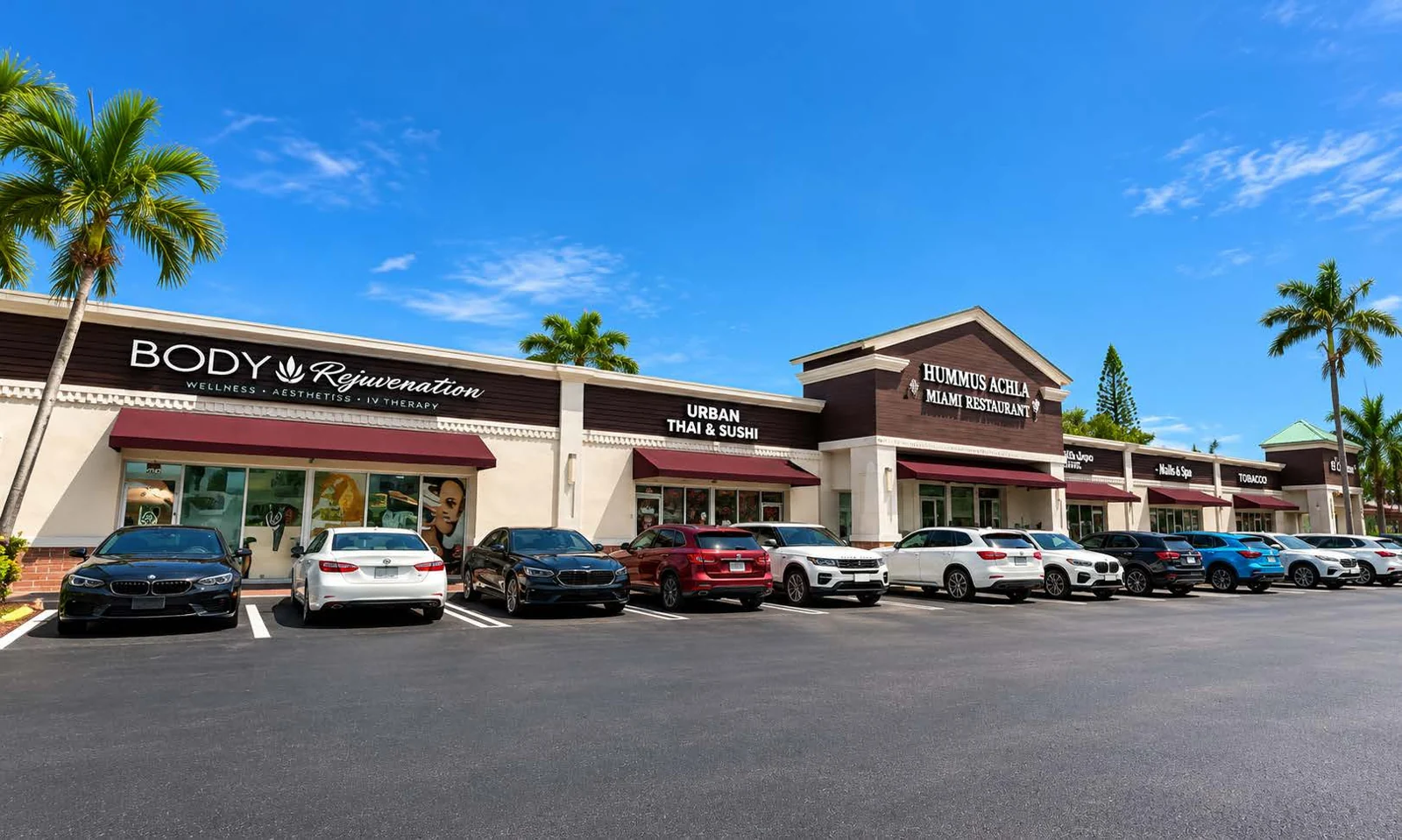 Retail
Hallandale Beach, FLLeasing inquiries
600 W Hallandale Beach Boulevard
The next conversation
Your property deserves a clear plan.
Tell us what you own, where it stands, and what you want to achieve. We’ll start there.