Read the location
Review visibility, access, signage, parking, neighboring uses, and the practical experience of reaching the property.

Retail landlord representation
Retail leasing starts with the customer, the operator, and the trade area. FIP helps owners position space for uses that fit the property and the surrounding market.
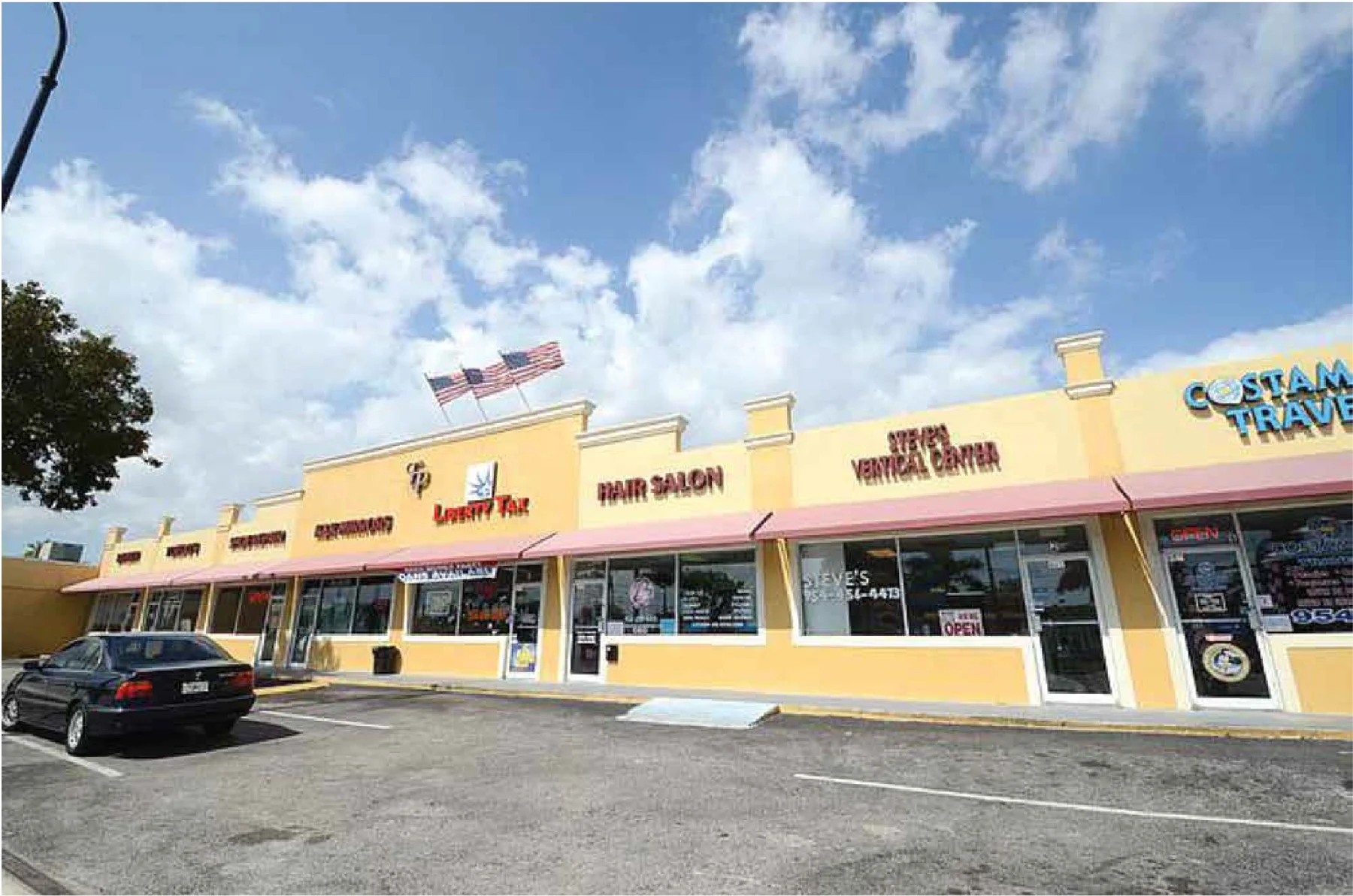
Your objective sets the direction
Tell us what is working, what needs to change, and when you need a result. We’ll discuss a scope that reflects your asset.
Prepare your property briefOpens a private draft in your email application. Review it before sending.
Our approach
Review visibility, access, signage, parking, neighboring uses, and the practical experience of reaching the property.
Identify complementary uses and operator categories while accounting for existing exclusives and property restrictions.
Consider the operator’s concept, business experience, improvement needs, and timing before progressing toward a lease.
Bring use, delivery condition, signage, improvement scope, and commercial terms into the negotiation.
Owner resources
Use these practical guides to organize the questions, facts, and decisions behind your property strategy.
For property owners
FIP Commercial helps retail landlords in Miami-Dade, Broward, and Palm Beach position space for suitable operators. The approach connects visibility, access, neighboring uses, tenant mix, and delivery requirements to the owner's leasing objectives.
Before building a prospect list, establish the property's known use restrictions, existing tenant exclusives, parking conditions, loading arrangements, and building capabilities. A restaurant, fitness operator, or service business can have very different requirements. A promising concept still needs a workable space.
Review the proposed concept, relevant operating experience, funding readiness, improvement plan, and intended opening date. Consider how customer visits, operating hours, deliveries, and parking demand would interact with existing tenants. Keep the operator assessment distinct from the headline rent.
Set out the proposed delivery condition, landlord work, tenant work, signage, and dependencies on permits or other approvals. Compare those requirements with the requested opening date and rent commencement terms. Resolve responsibility for each major item before ambiguity becomes delay.
Clear answers
Evaluate the proposed use, operating experience, funding readiness, improvement requirements, and compatibility with the property. Compare credit and commercial terms alongside the effect on parking, deliveries, operating hours, and neighboring tenants.
Tenant mix shapes how customers use the property and how operators share parking, access, deliveries, and operating hours. A proposed use should be assessed in the context of existing businesses, lease restrictions, and the surrounding trade area.
Identify the intended operation and evaluate relevant use approvals, ventilation, grease handling, utilities, waste arrangements, deliveries, parking, and improvement requirements. Confirm the space's actual capabilities and assign responsibility for required work before setting delivery commitments.
Start with the address, available space, floor plan, current tenants, known use restrictions, delivery condition, asking terms, and target timing. Share the property overview with Roy Faith. Detailed lease and operating records can follow through an agreed information-sharing process.
The next conversation
Tell us what you own, where it stands, and what you want to achieve. We’ll start there.