Understand the asset
Review the space, lease profile, operating context, owner priorities, and competing options before setting the marketing direction.

For property owners
Landlord representation for office and retail properties in Miami-Dade, Broward, and Palm Beach. Start with the asset, define the right audience, and move toward terms that fit your objectives.
Your objective sets the direction
Tell us what is working, what needs to change, and when you need a result. We’ll discuss a scope that reflects your asset.
Prepare your property briefOpens an unsent email draft to Roy. Start with a brief overview; agree a suitable sharing method before sending confidential records. An inquiry does not appoint a broker.
Our approach
Review the space, lease profile, operating context, owner priorities, and competing options before setting the marketing direction.
Identify tenant categories and occupier requirements that fit the property’s size, use, access, and positioning.
Present the property clearly, activate broker relationships and targeted outreach, and turn qualified interest into tours.
Assess commercial terms in light of downtime, tenant improvements, concessions, credit, and the longer ownership plan.
Owner resources
Use these practical guides to organize the questions, facts, and decisions behind your property strategy.
Office and medical-office owners
For properties in Miami-Dade, Broward and Palm Beach, start with the decision—not a generic marketing campaign.
Start with the current floor plan, delivery condition and inquiry-to-tour feedback. Identify whether the next decision concerns positioning, space fit or proposed terms.
Work through the vacancy decisionGather the signed lease and amendments, option and notice dates, current terms and known improvement needs. Compare renewal with replacement using explicit cost and timing assumptions.
Use the renewal timeline and checklistDescribe the proposed practice and what is known about the suite. Separate confirmed building facts from requirements that still need review with the relevant authorities and qualified advisers.
Prepare the tenant-use questionsBefore appointing a broker
Office, medical-office and retail owners in Miami-Dade, Broward and Palm Beach can use these questions to prepare a representation discussion, including after an acquisition.
Identify the property-owning entity, who can appoint the broker, and which partners or advisers need to participate. Flag any existing brokerage agreement for review before agreeing a new scope.
Discuss the property or suites covered, the leasing objective, proposed tenant audiences, marketing channels and responsibilities. Clarify which work and costs would require separate approval.
Discuss the reporting cadence, the information needed to compare inquiries, tours and proposals, and who approves pricing, concessions and proposed terms. Identify how a change in direction will be agreed.
Review the proposed services, compensation, term, exclusivity and ending provisions with your legal and other advisers as appropriate. Resolve questions before signing; the agreed documents define the appointment.
Preparation guidance updated November 13, 2026. This checklist is not an engagement agreement or legal advice. An inquiry does not appoint FIP or book a meeting. Start with a brief overview; agree a suitable sharing method before sending confidential records.
Leadership with an owner’s perspective
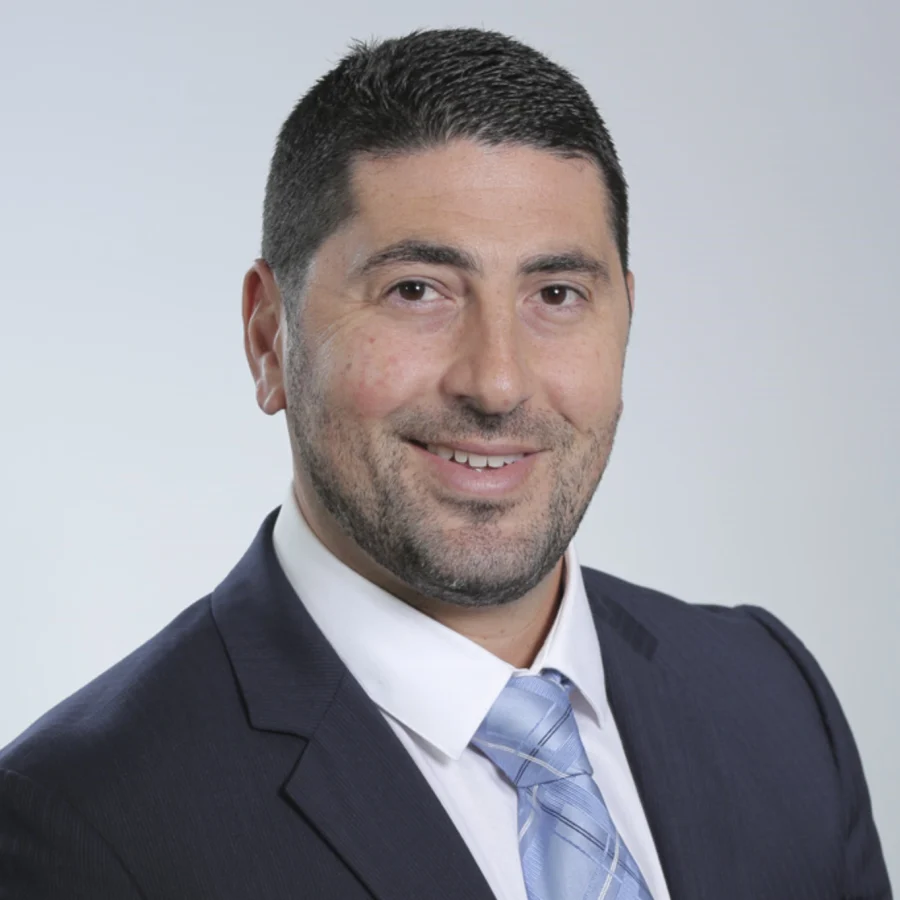
Real estate decisions carry beyond the next lease. Led by Roy Faith, FIP brings leasing, investment, and asset management into one conversation.
From positioning a vacancy to evaluating a sale, we connect the next move to your broader ownership goals.
Meet Roy FaithFor property owners
FIP Commercial represents office and retail landlords in Miami-Dade, Broward, and Palm Beach counties. Based in Aventura, the team connects property positioning, tenant outreach, tours, and commercial lease negotiations to the owner's priorities.
Filling a vacancy, retaining a tenant, and preparing a property for sale call for different plans. Start with your desired timing, the capital available for improvements, and the type of tenant the property can support. Those choices shape the offer and the audience.
A report should show which prospects fit the property, where each conversation stands, what is stopping progress, and who owns the next action. Separate new inquiries, qualified tours, proposals, and negotiations. Activity becomes useful when it explains the next decision.
Bring the address, floor plans, current vacancy, rent roll, lease expirations, operating expenses, and known improvement requirements to the discussion. Identify any restrictions on use and the delivery condition you can offer. Begin by emailing Roy Faith a short property overview; agree on the appropriate way to share detailed records.
Clear answers
A landlord representative markets space and negotiates commercial terms on the property owner's behalf. The work can include positioning, tenant targeting, broker outreach, tours, proposal comparison, and coordination with the owner's advisers. The engagement defines the exact scope.
Compare proposals over the same period and include rent, concessions, tenant improvements, commissions, expected downtime, and expenses retained by the owner. Review tenant credit, guarantees, use, and execution risk separately. The highest asking rent does not establish the strongest overall proposal.
Ask how the broker would position your specific property, which tenant categories fit it, who would manage the assignment, and how progress would be reported. Request relevant examples that the broker can substantiate. Agree on scope, fees, communication, and responsibility for the next action before appointing the team.
FIP Commercial focuses on office and retail landlords in Miami-Dade, Broward, and Palm Beach counties. The team is based in Aventura. Share your property address and objective with Roy Faith to discuss the assignment.
The next conversation
Tell us what you own, where it stands, and what you want to achieve. We’ll start there.