Position the building
Make the value of location, suite configuration, parking, access, and building systems clear to prospective occupiers.

Office landlord representation
Office leasing should connect your building’s strengths to the businesses best placed to use them. FIP works with office and medical office owners across South Florida.
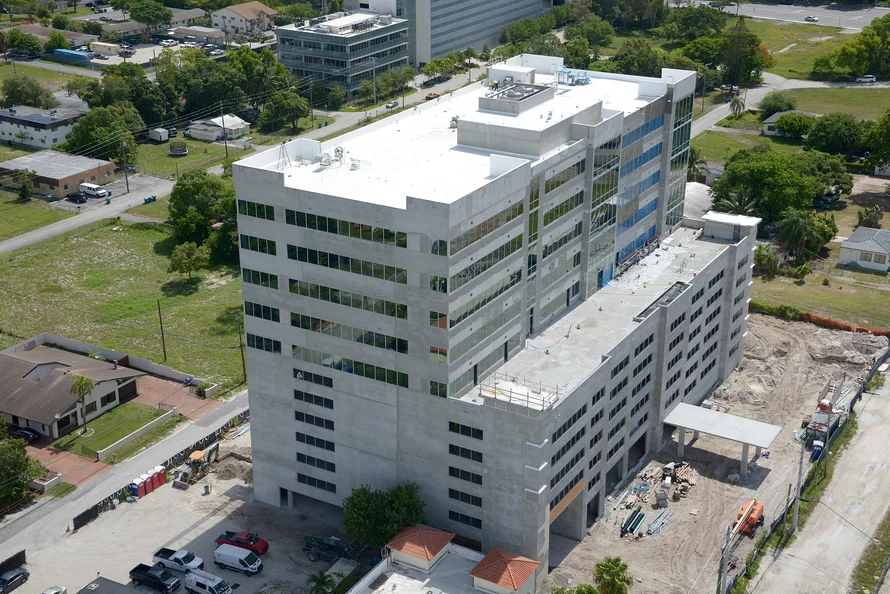
Your objective sets the direction
Tell us what is working, what needs to change, and when you need a result. We’ll discuss a scope that reflects your asset.
Prepare your property briefOpens a private draft in your email application. Review it before sending.
Our approach
Make the value of location, suite configuration, parking, access, and building systems clear to prospective occupiers.
Focus on professional, medical, and other suitable users. Consider operating requirements and permitted use early.
Compare rent, concessions, improvement requirements, term, and tenant credit together rather than treating headline rent as the result.
Account for renewals, future vacancy, and capital requirements in the broader leasing conversation.
Owner resources
Use these practical guides to organize the questions, facts, and decisions behind your property strategy.
For property owners
FIP Commercial works with office and medical office owners across Miami-Dade, Broward, and Palm Beach. The leasing discussion starts with the space, the businesses it can support, and the economics of getting a tenant into occupancy.
Give prospects a current floor plan, a clear size and measurement basis, photographs of the actual space, the delivery condition, and expected availability. Explain parking, access, building hours, and known improvement responsibilities. Unanswered practical questions can prevent a suitable occupier from booking a tour.
A medical occupier may need different plumbing, power, ventilation, patient access, or interior configuration from a general office user. Establish the proposed use and the building's known capabilities early. Resolve any required approvals, design work, and cost allocation before assuming the suite is ready for that practice.
A renewal offer should be assessed alongside the likely cost and timing of replacing the tenant. Compare rent and concessions with potential vacancy, improvements, commissions, and the owner's capital commitment. Use the same period and explicit assumptions so the alternatives can be compared fairly.
Clear answers
First identify where prospects stop progressing. Few qualified inquiries call for a review of exposure and positioning. Tours without proposals call for a review of space fit, delivery condition, and feedback. Stalled proposals call for a comparison of the full terms. Rent is one possible change, but the evidence should determine it.
Include the location, available suite, size and measurement basis, current floor plan, actual photographs, delivery condition, availability, parking, access, and the proposed rent structure. Distinguish completed space from renderings and identify costs or terms that still need confirmation.
Set out cash flows over a common period, including rent, free rent, tenant improvements, commissions, downtime, and landlord-paid expenses. Then compare tenant credit, guarantees, use, required approvals, and the likelihood of meeting the proposed occupancy date.
Possibly, but the proposed practice, permitted use, building systems, access, and improvement requirements must be evaluated. A general office designation alone does not establish suitability for a medical use. Confirm those requirements before agreeing on delivery obligations.
The next conversation
Tell us what you own, where it stands, and what you want to achieve. We’ll start there.